

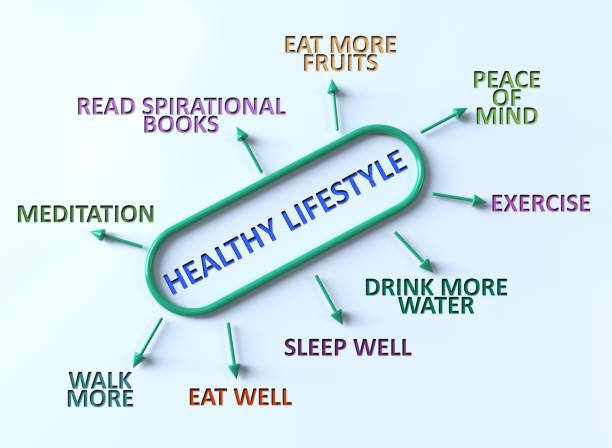
Stress has become a common part of modern life. Work pressure, financial responsibilities, academic stress, and personal challenges can leave us feeling overwhelmed. While occasional stress is normal, long-term stress can affect both mental and physical health. The good news is that there are many natural ways to reduce stress without relying on medication. Simple lifestyle changes and mindful habits can help you regain calm and balance.
Understand Your Stress Triggers
The first step in managing stress naturally is identifying what causes it. Stress triggers vary from person to person. For some, it may be work deadlines; for others, relationship issues or lack of sleep. Keeping a stress journal can help you notice patterns. Once you understand your triggers, it becomes easier to manage or avoid them.
Practice Deep Breathing and Relaxation
One of the fastest natural ways to reduce stress is deep breathing. Slow, deep breaths send a signal to your brain to relax. Techniques like diaphragmatic breathing, box breathing, or the 4-7-8 method can calm your nervous system in minutes. Practicing these techniques daily can significantly reduce anxiety and stress levels.
Exercise Regularly
Physical activity is a powerful stress reliever. Exercise releases endorphins, also known as “feel-good” hormones, which naturally improve mood. You don’t need intense workouts—simple activities like walking, stretching, yoga, or cycling can be highly effective. Just 30 minutes of exercise a day can make a noticeable difference in your stress levels.
Maintain a Healthy and Balanced Diet
What you eat has a direct impact on how you feel. A balanced diet rich in fruits, vegetables, whole grains, and lean proteins helps regulate mood and energy levels. Avoid excessive caffeine, sugar, and processed foods, as they can increase anxiety. Drinking enough water is also essential, as dehydration can worsen stress symptoms.
Get Quality Sleep
Lack of sleep is closely linked to stress. Poor sleep can make small problems feel overwhelming. Establish a healthy sleep routine by going to bed and waking up at the same time every day. Avoid screens before bedtime and create a calming sleep environment. Quality sleep allows your body and mind to recover from daily stress.
Practice Mindfulness and Meditation
Mindfulness helps you stay present instead of worrying about the past or future. Meditation, even for 5–10 minutes a day, can reduce stress and improve focus. Practices like guided meditation, body scanning, or mindful walking help quiet the mind and promote inner peace. Over time, mindfulness can change how you respond to stressful situations.
Spend Time in Nature
Connecting with nature is one of the most effective natural ways to reduce stress. Spending time outdoors, whether in a park, garden, or near water, can instantly improve mood. Fresh air, sunlight, and greenery help lower cortisol levels and boost mental clarity. Even a short walk outside can be refreshing.
Build Strong Social Connections
Talking to someone you trust can relieve emotional stress. Sharing your feelings with friends, family, or loved ones helps you feel supported and understood. Social connections remind you that you’re not alone. Laughter and meaningful conversations can naturally reduce tension and improve emotional well-being.
Limit Screen Time and Digital Overload
Constant notifications, social media, and news updates can increase stress without us realizing it. Set boundaries for screen time, especially before bed. Taking digital breaks allows your mind to rest and recharge. Try replacing screen time with reading, hobbies, or creative activities.
Engage in Hobbies and Creative Activities
Doing something you enjoy is a natural stress reliever. Activities like painting, music, cooking, gardening, or writing provide mental relaxation and joy. Hobbies help shift your focus away from stress and bring a sense of accomplishment and happiness.
Practice Gratitude and Positive Thinking
Gratitude helps change your perspective. Taking time to appreciate what you have can reduce stress and increase positivity. You can practice gratitude by writing down three things you’re thankful for each day. Positive thinking doesn’t eliminate problems, but it helps you cope with them more effectively.
Know When to Take a Break
Sometimes the best stress management technique is simply rest. Listen to your body and mind. Taking short breaks during work or study sessions prevents burnout and improves productivity. Rest is not laziness—it’s essential for long-term well-being.
Final Thoughts
Stress is unavoidable, but how you manage it makes all the difference. By adopting these natural ways to reduce stress, you can improve your mental health, boost energy, and enjoy a more balanced life. Start with small changes, stay consistent, and remember that self-care is not a luxury—it’s a necessity.
If you practice these techniques regularly, you’ll not only manage stress better but also build emotional resilience for the future.