

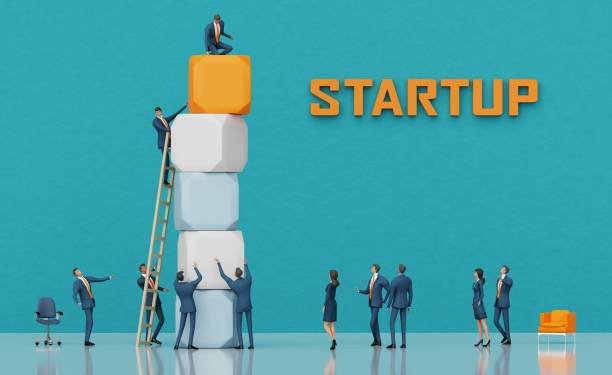
Starting a startup is different from starting a traditional business. Understanding how to start a startup requires focus on innovation, scalability, and rapid growth.
The first step is identifying a problem worth solving. Successful startups address pain points with innovative solutions. Idea validation ensures that customers actually want the solution.
Market research follows validation. Analyzing competitors, target users, and pricing helps refine the product. Startups must understand their market deeply.
Building a minimum viable product (MVP) is crucial. An MVP allows startups to test functionality with minimal investment. Feedback from early users guides improvements.
Team building plays a vital role. Startups need skilled and motivated individuals who share the vision. Strong teams execute ideas more effectively.
Funding is another key step. Startups may bootstrap or seek angel investors, venture capital, or grants. A clear business model attracts funding.
Finally, scaling requires systems and strategy. Startups must focus on growth while maintaining quality and customer satisfaction.
In conclusion, starting a startup involves planning, experimentation, and persistence. With the right approach, startups can transform ideas into impactful businesses.